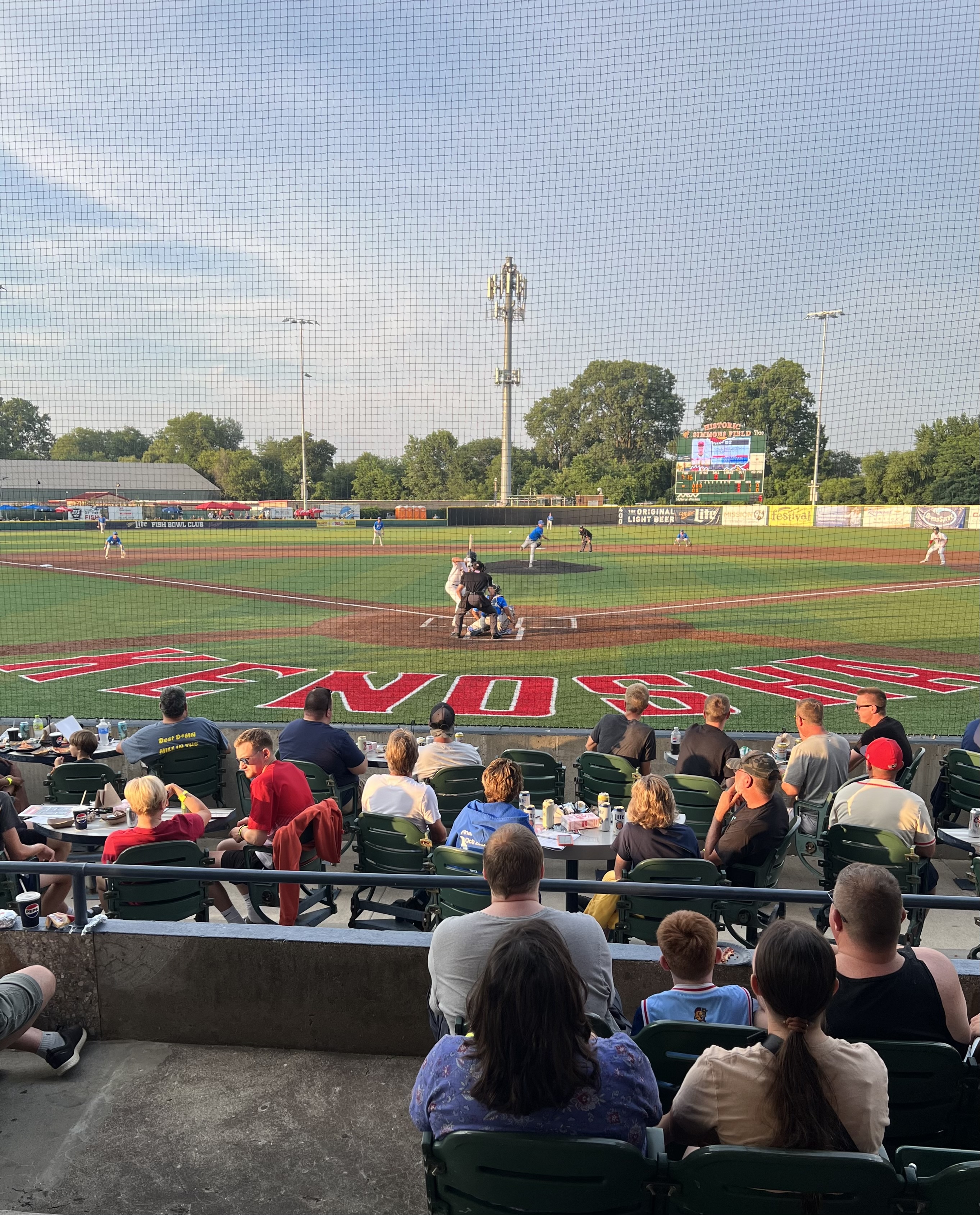
 It's a Zen credo that chaos contains opportunity. Baseball included.
After Major League Baseball pruned a quarter of its affiliated minor league teams in a swift and some would say brutal contraction five years ago, orphaned fans and cities turned to other brands of baseball for their summer fix. Leagues made up of independent pro players or college players off for the summer got a boost, and baseball flowered in Wisconsin cities where the official "minors" left or failed or never ventured: Wausau, Eau Claire, Green Bay, Wisconsin Rapids, La Crosse, Fond du Lac, Mequon, Kenosha. The Madison Mallards, stocked with college ballplayers, draw crowds of more than 6,000 per game, more than all but a handful of America's professional minor league teams. Metro Milwaukee now boasts two independent professional teams, the Milwaukee Milkmen in Franklin and the Lake Country DockHounds in Oconomowoc, both in the American Association of Professional Baseball, an independent league harking back to the historic minor league where the original Milwaukee Brewers played for decades before the Braves arrived.
As last baseball season approached, I had this idea: Tool around Wisconsin's back roads to all the state's ballparks, old and new, and write a guidebook. Diamonds In Dairyland, I'd call it. Would it sell? Maybe, but did it matter? I'd get to hang out in cool towns with quaint ballparks, chat with fans, eat sausages, sip local brews, take pictures, and write. "These are a few of my favorite things..." Spring hit and off I went, in a convertible roadster I inherited in a roundabout way after the early departure of someone forever dear to me.
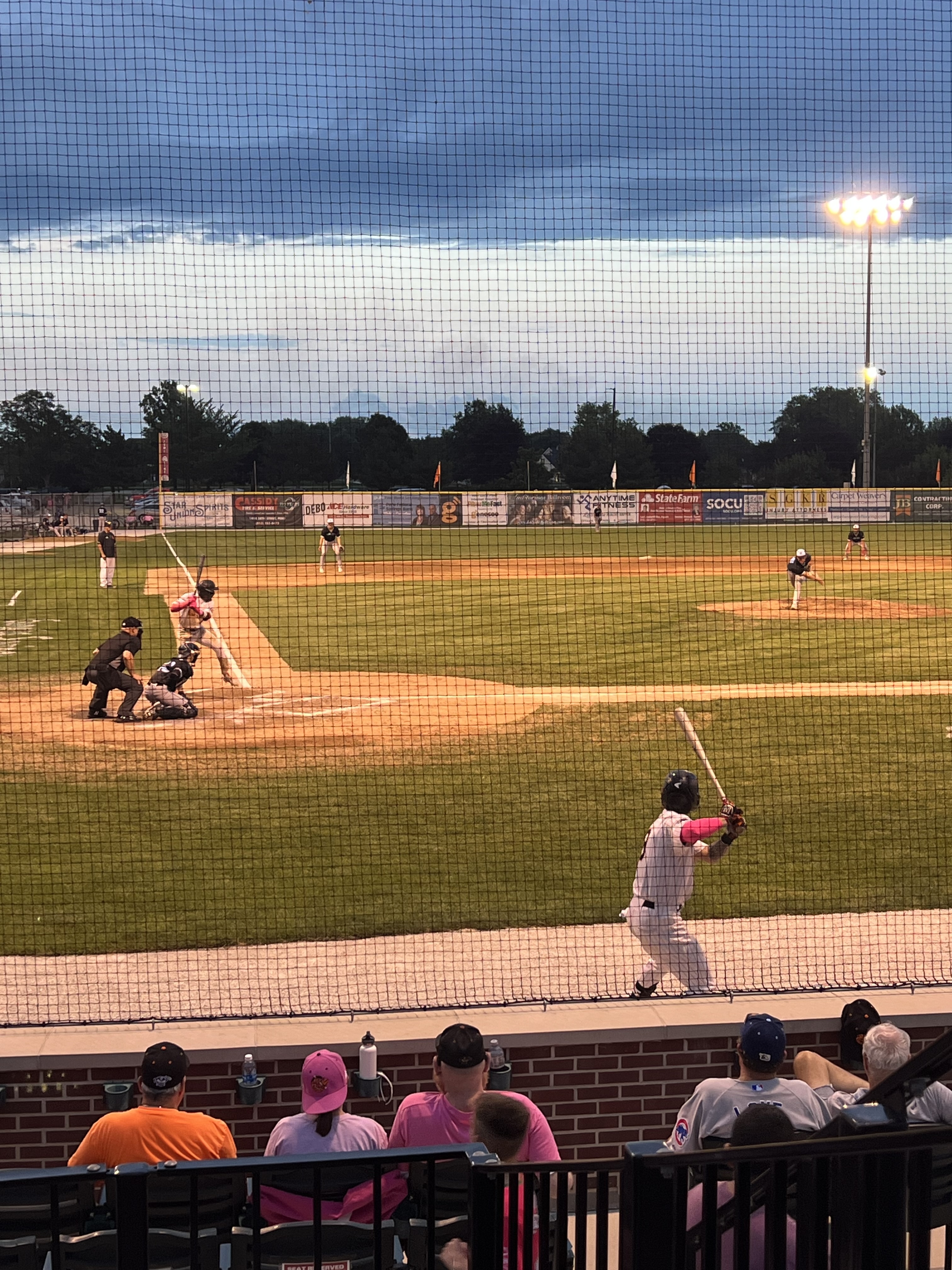
A fan from elsewhere would visit for the story and the spirit. The twin Illinois towns of Peru and LaSalle took in a suburban Chicago club as a Covid refugee and fell in love so fast and deeply that the club never left, building a grandstand section by section around a municipal field while charging no admission. Depression-era parks spurned by the majors in locales like the Mississippi River town of Clinton, Iowa, and 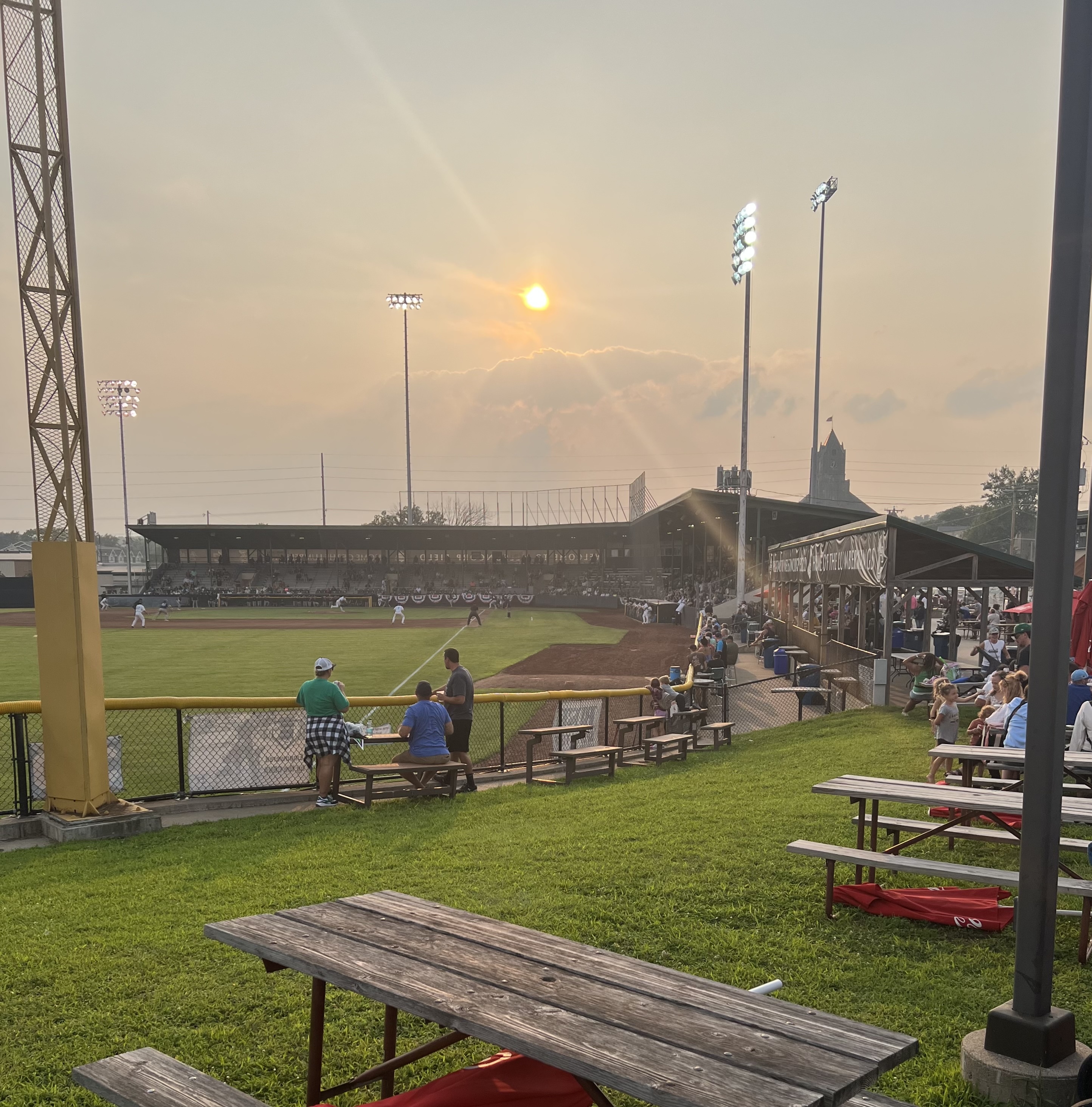
The project is now two books: a novel written over the past offseason, and a more ambitious nonfiction guide that will require another season of baseball travel around Wisconsin and the upper Midwest (darn). Watch the blog for updates, scenes and first impressions from future trips.
Comments